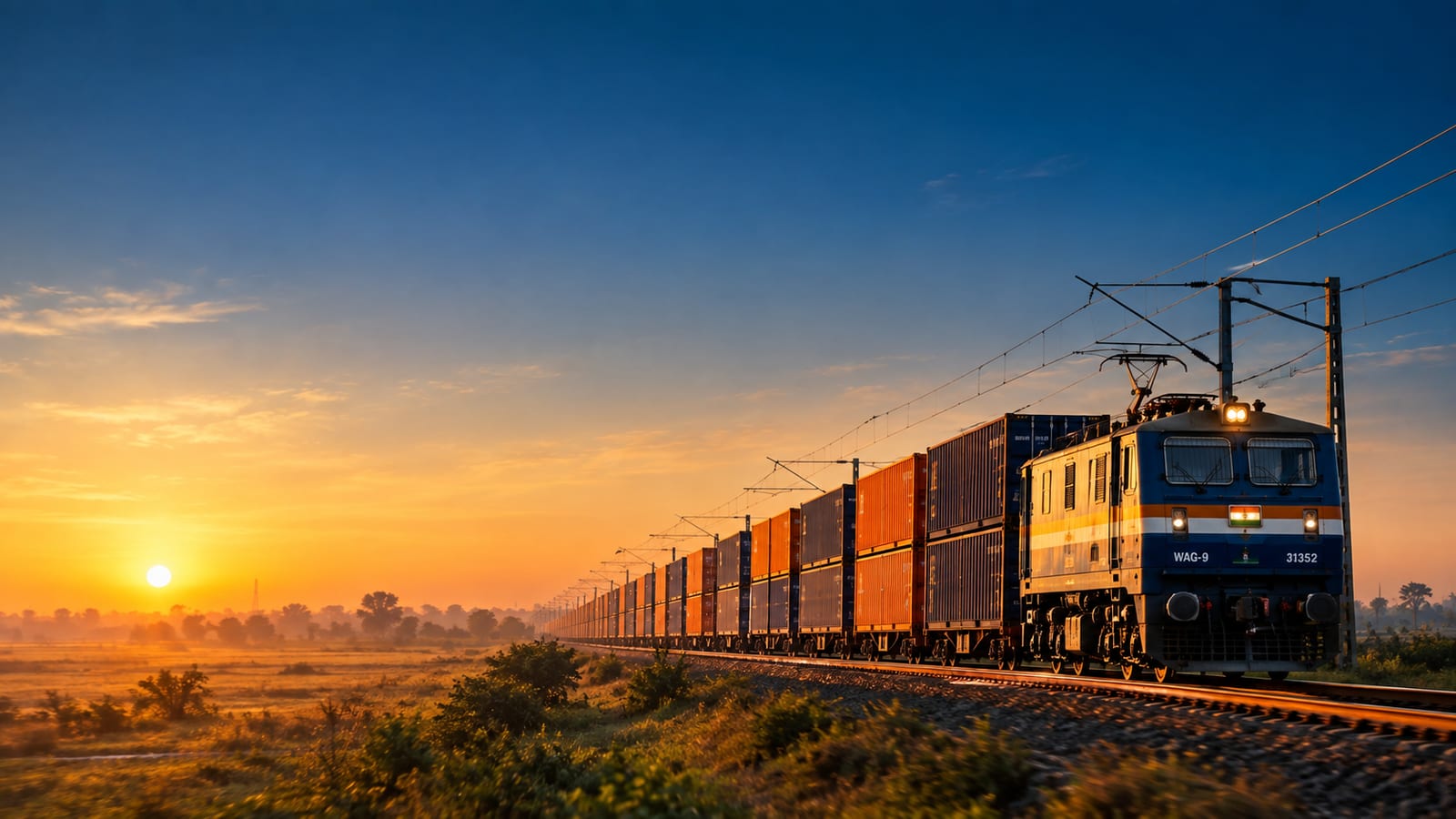
Standardized ISO Handling
Universal compatibility across container ships, rail flatcars, and highway skeletal trailers.
Rail Transportation
Standardized ISO container rail movements bridging seaports, dry ports, and inland industrial logistics parks without cargo re-handling or transshipment friction.
20ft & 40ft container flatbeds
Seamless yard staging
Inland container depots
Scheduled freight rakes
Intermodal freight eliminates cargo touching during modal shifts.
Standardized shipping containers move effortlessly from ocean vessel to rail flatcar and onto highway chassis, eliminating cargo pilferage, reducing handling wear, and ensuring smooth customs-bonded transit.
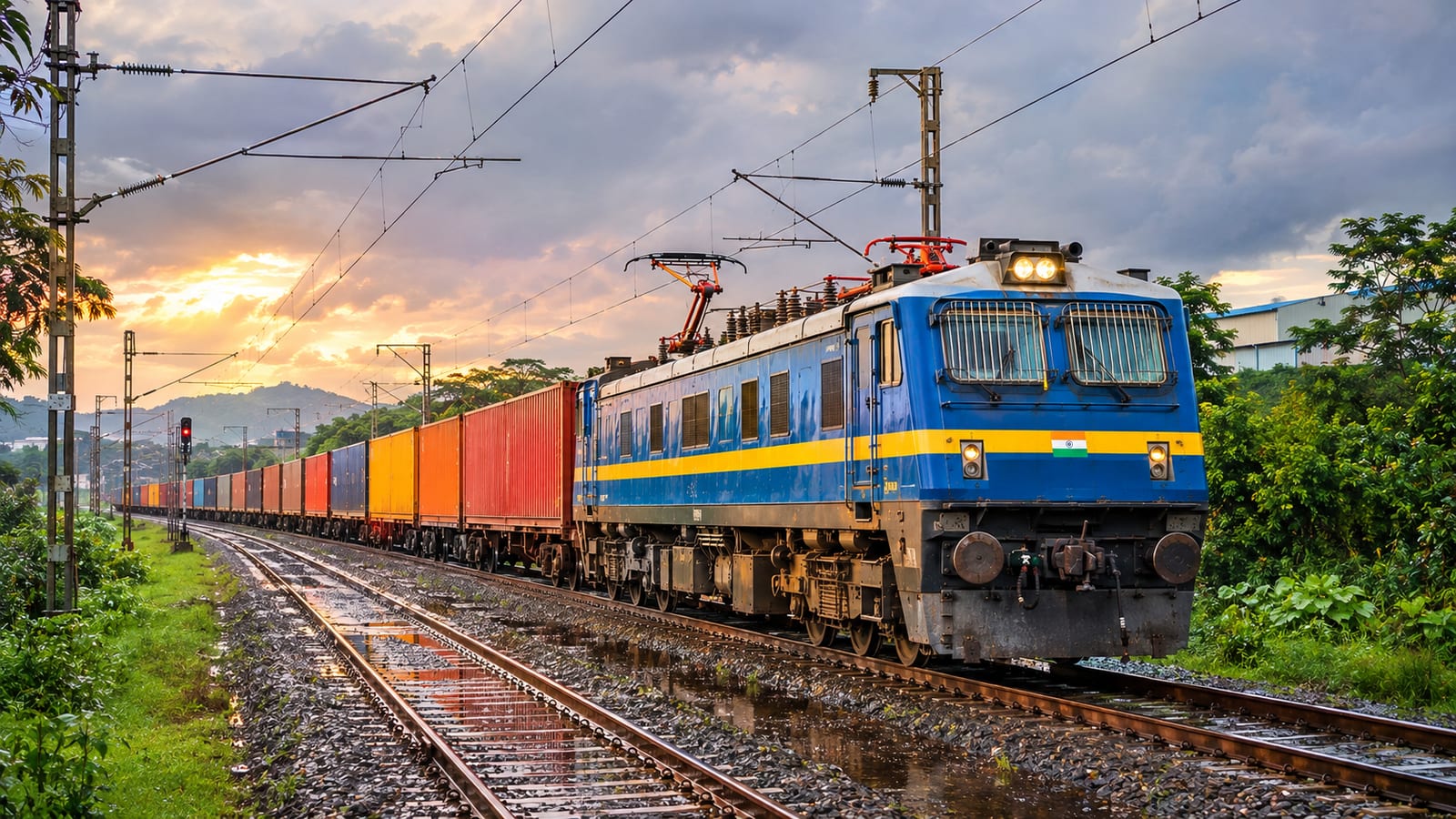
The movement types we coordinate under this service, subject to route and vehicle availability.
Universal compatibility across container ships, rail flatcars, and highway skeletal trailers.
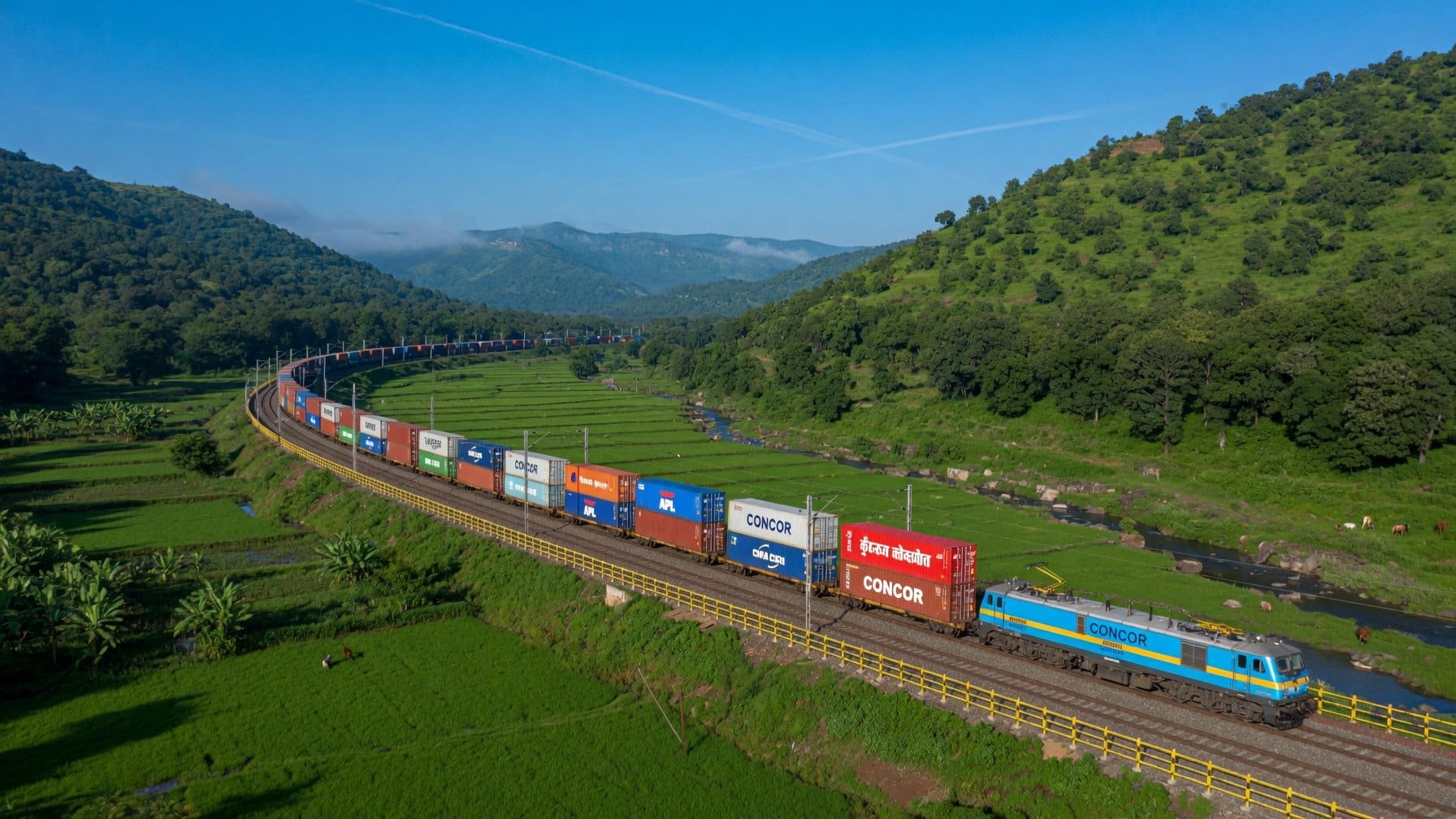
Gantry crane transfers from rail flatcars onto delivery chassis in under 15 minutes.
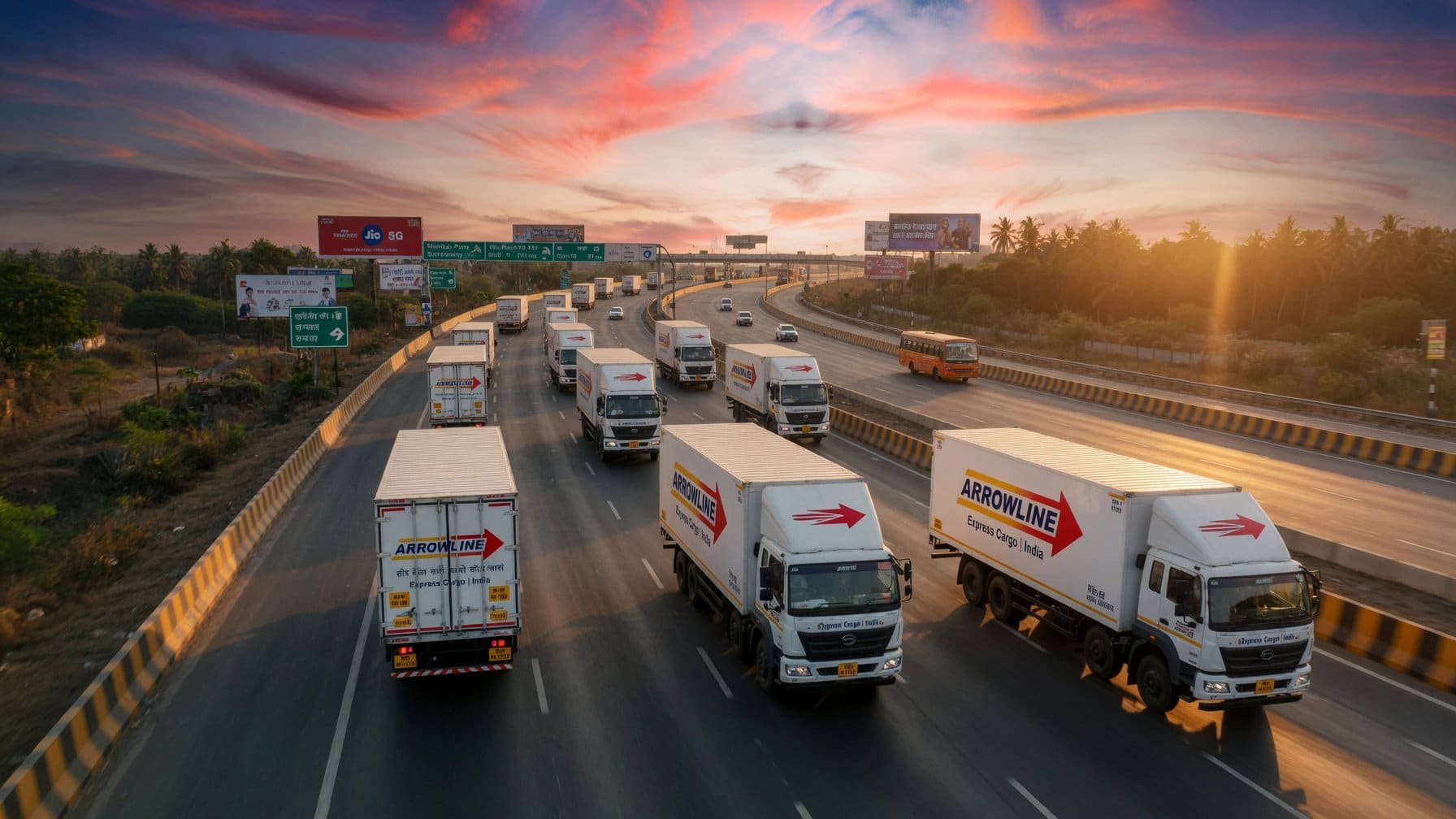
Customs and tamper-evident high-security seals remain intact throughout the entire journey.
Maximizing the rail sector length to reduce total journey greenhouse gas emissions.
How the movement is planned, coordinated and delivered, and where our accountability sits.
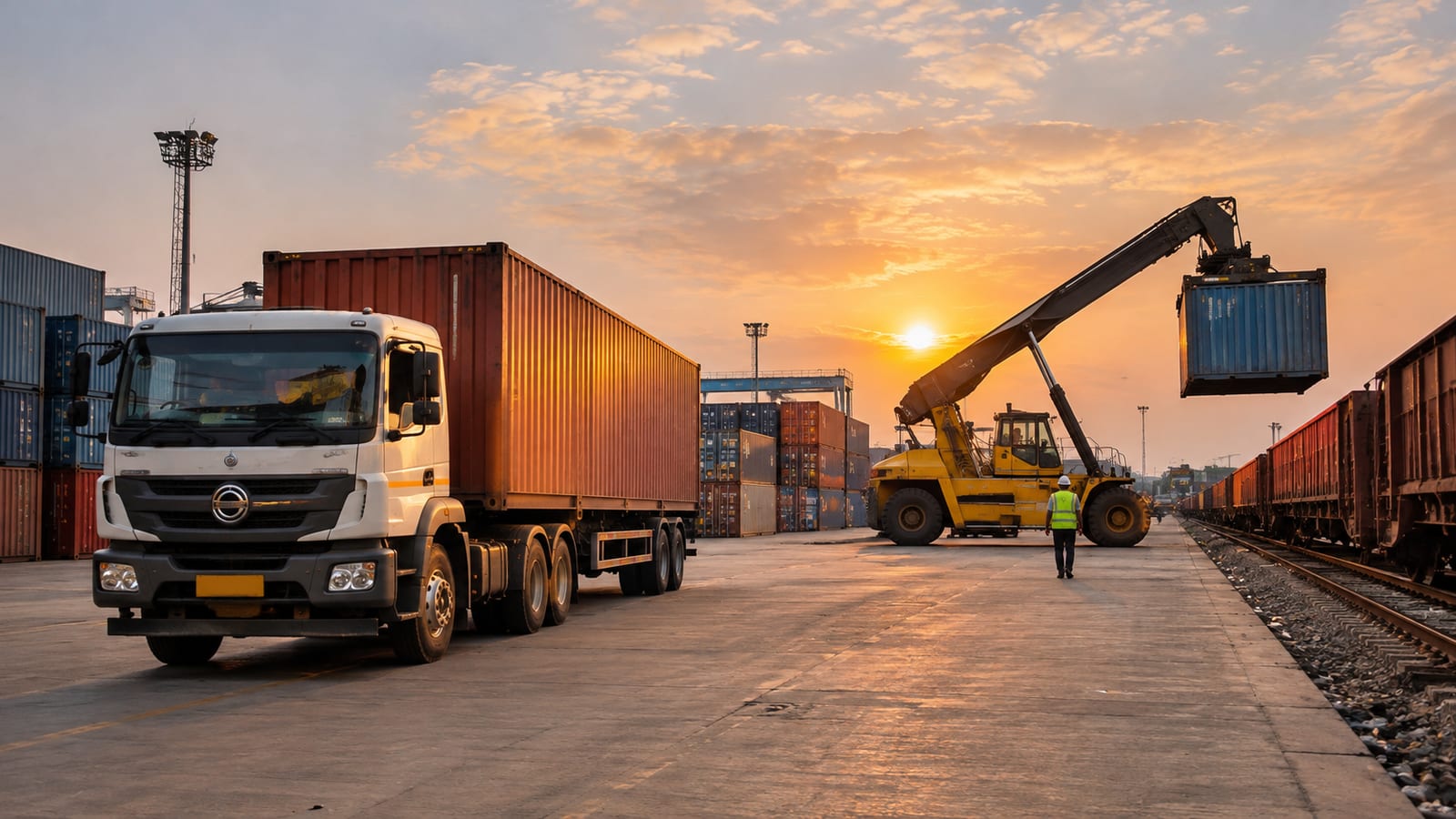
No direct touching of cargo prevents scratches, spills, weather exposure, or breakage.
Automated container lifting allows rapid mode changes without labor-intensive restuffing.
Direct rail loading at Mundra port container terminals immediately after ship offloading.
Priority train paths along the Western Dedicated Freight Corridor.
Real-time tracking of container seal, temperature (for reefers), and GPS location.
Four stages from the first requirement to delivery, each with the detail our desk works through.
Factory Stuffing — Cargo stuffed and sealed inside standard ISO container at origin. First-Mile Road Transit — Container hauled on trailer to origin rail terminal or Mundra port.
Gantry Rail Loading — Container lifted by gantry crane directly onto rail flatcar without opening.
Intermodal Rail Leg — High-speed rail transit across national freight corridors. Destination Crane Lift — Container transferred from train onto delivery trailer at inland dry port.
Final Doorstep Unseal — Consignee breaks the seal at final destination for secure de-stuffing.
Rake movements are coordinated between these port railheads, freight terminals and inland container depots.
Route and vehicle availability is confirmed for each requirement. Listing a location does not imply an Arrowline office or terminal there.
Transportation is coordinated for these sectors and their cargo profiles.
Coverage, equipment, quotations and booking.
While both involve multiple modes of transport, 'Intermodal' specifically means the cargo stays inside the exact same container throughout the entire trip without ever being unpacked or handled during mode changes. 'Multimodal' refers to the single-contract management of the entire journey.
Yes. Standard 20ft ISO tank containers carrying non-hazardous and approved hazardous liquid chemicals can be safely transported via intermodal rail flatcars.
Railway flatcars are equipped with standardized automatic twist-locks that lock the four bottom corner castings of the ISO container securely to the chassis frame.
Because the container is sealed at origin and never opened until it reaches the destination factory, cargo theft, pilferage, and accidental damage are virtually eliminated.
Yes. Specialized reefer container trains equipped with central generator power cars maintain continuous temperature control during rail transit.
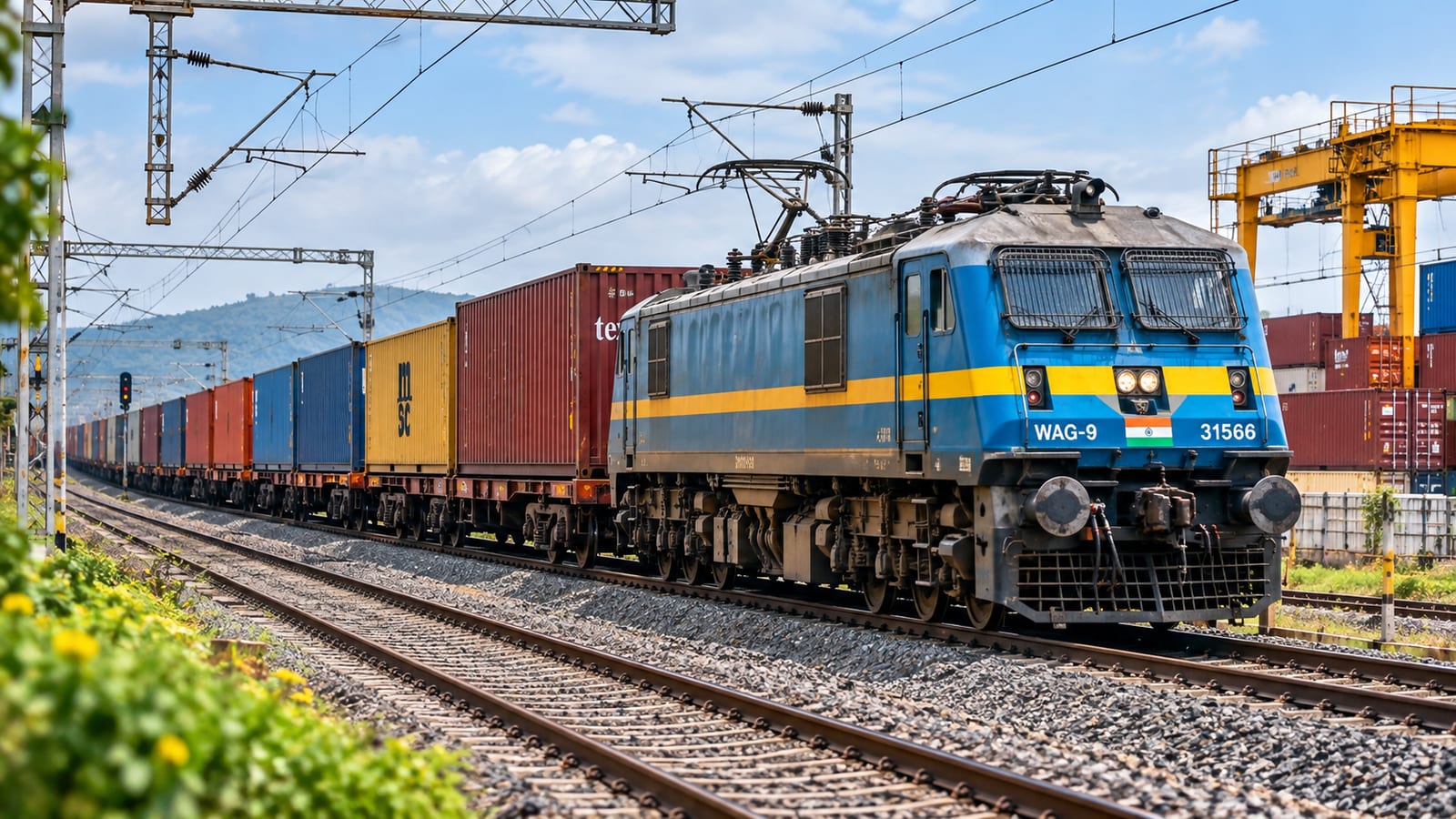
High-capacity scheduled rail freight services leveraging Western Dedicated Freight Corridors (WDFC) and Indian Railways networks for long-haul cargo.
Explore Service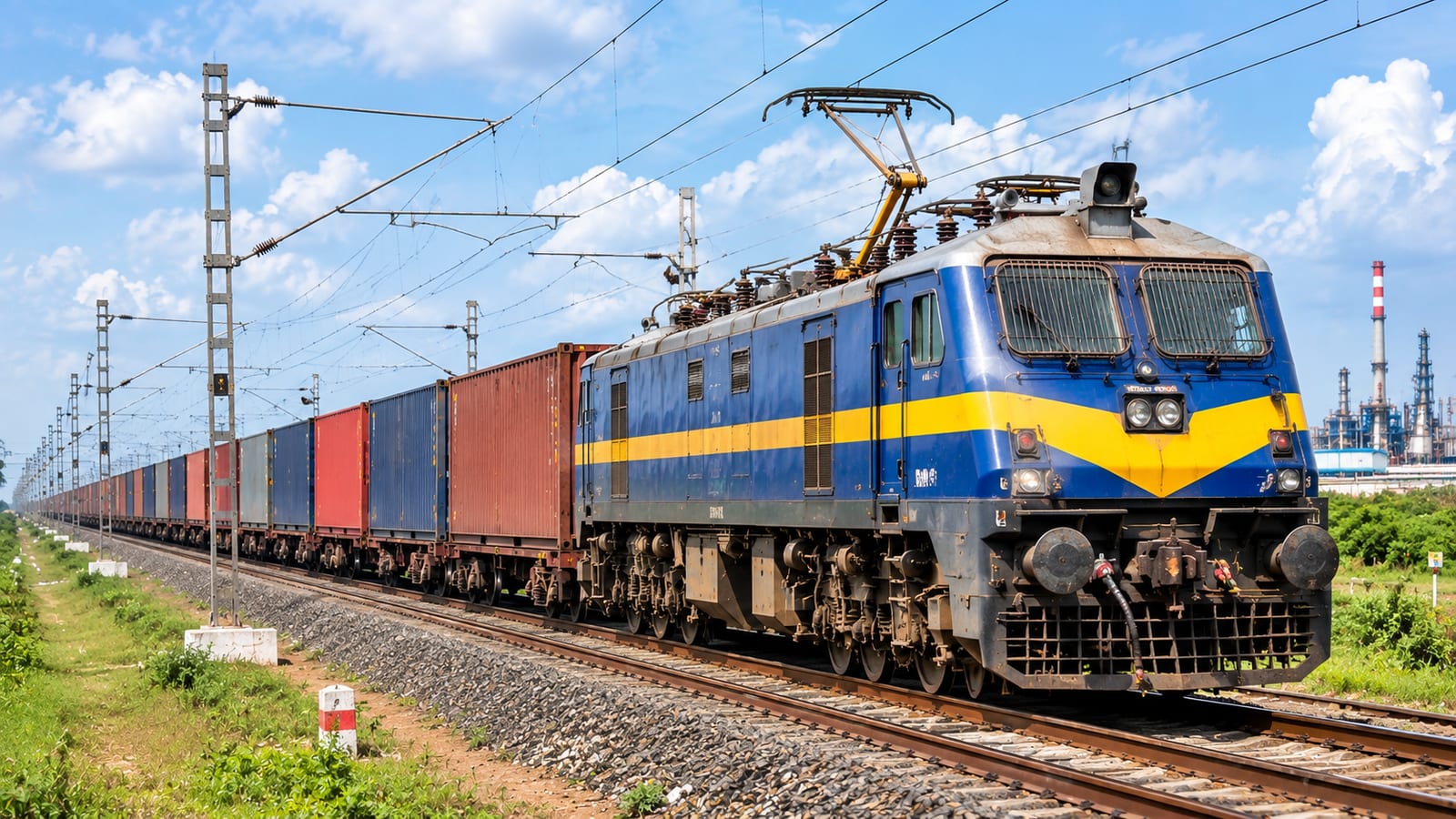
Scheduled container train services connecting Mundra Port to inland container depots (ICDs) across North and Central India.
Explore Service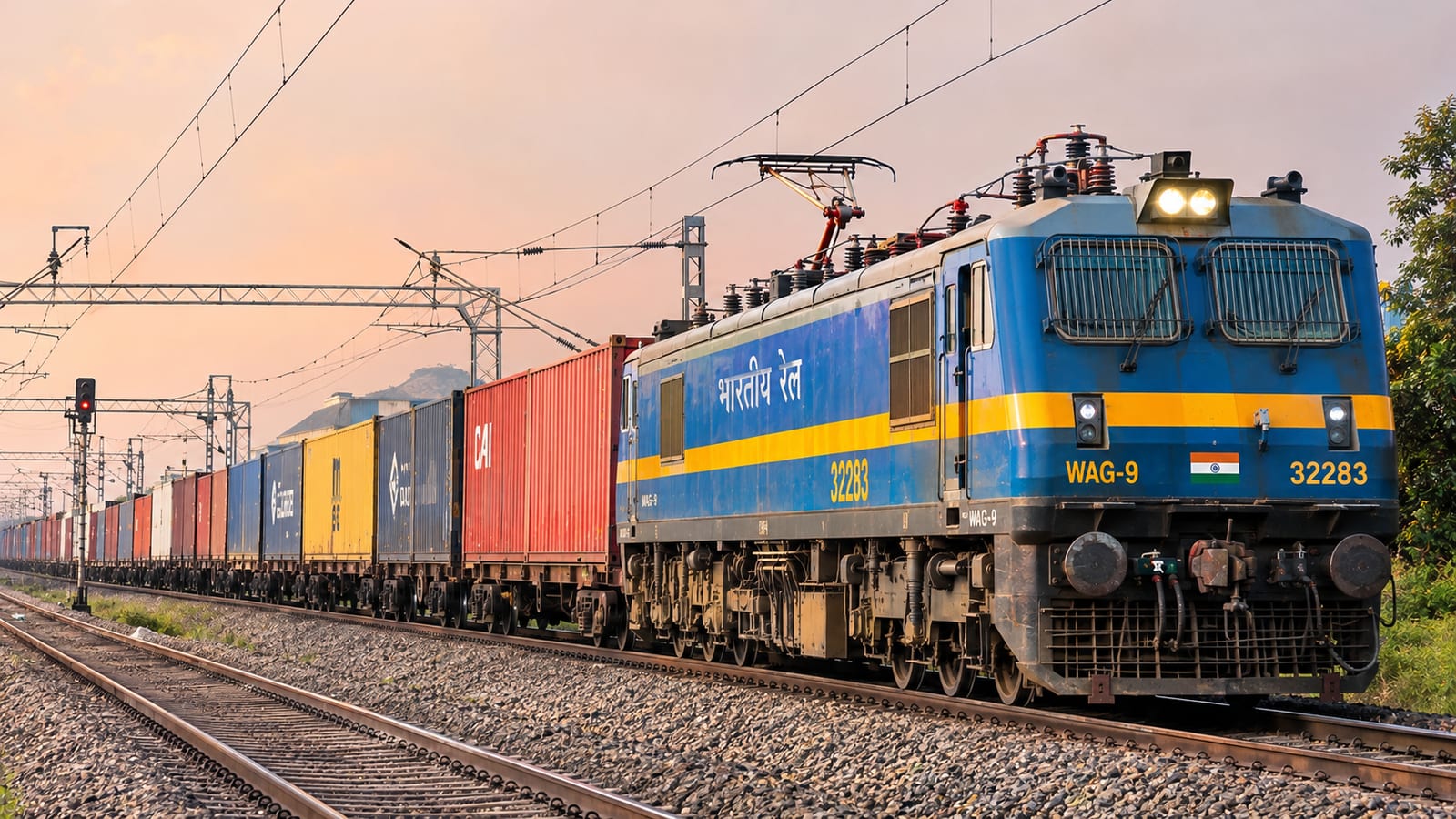
Dedicated full train load (rake) logistics for high-volume bulk commodities, minerals, cement, fertilizers, and industrial steel.
Explore Service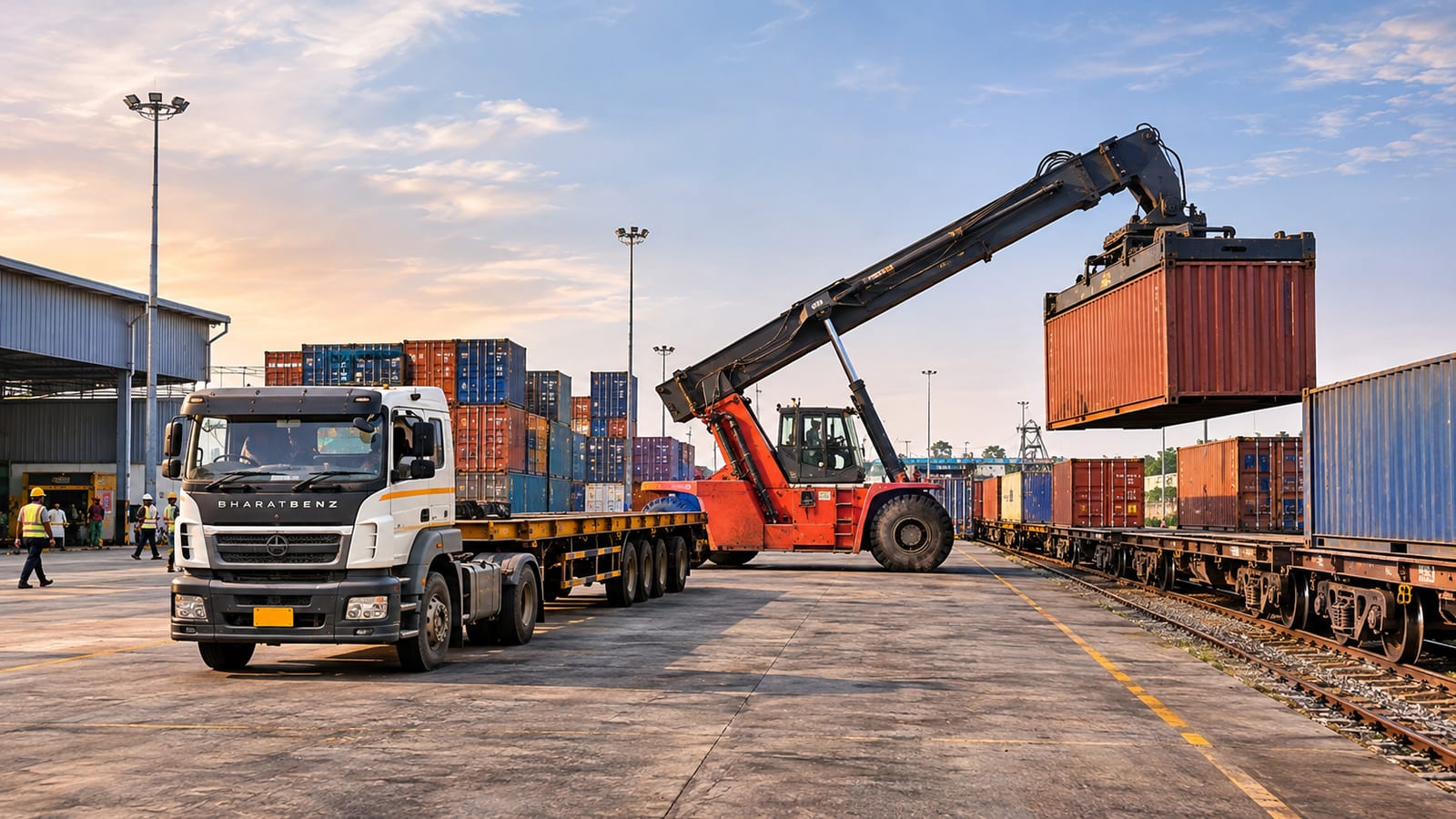
Synchronized rail, road, and port logistics combining the cost efficiency of long-haul rail with the precision of first-and-last-mile trucking.
Explore ServiceShare your commodity, wagon or container requirement, origin and destination terminals, and preferred loading window. Our rail desk reviews the rake movement and responds with a route-appropriate quote.